
Lung Cancer Screening Orange County: Low-Dose CT Scans

WHY CHOOSE LUNG CANCER SCREENING IN NEWPORT BEACH?
Lung cancer is the leading cause of cancer death in the United States — and the most preventable when caught early. For high-risk patients, annual low-dose CT (LDCT) screening has been shown to reduce lung cancer mortality by detecting tumors at a stage when treatment is far more effective. At Newport Center Urgent Care in Newport Beach, we help Orange County patients navigate lung cancer screening — from initial eligibility evaluation to imaging coordination and follow-up care — with the same physician-led approach that defines everything we do.
Most patients who qualify for lung cancer screening don't know they qualify. The eligibility criteria have evolved significantly over the past several years, and many primary care providers haven't systematically integrated screening discussions into routine visits. At Newport Center Urgent Care, Dr. Bryan Doonan takes the time to evaluate your risk profile, explain your options, and ensure that a screening recommendation — when appropriate — is acted on efficiently and without unnecessary delay.
What Is Low-Dose CT Lung Cancer Screening?
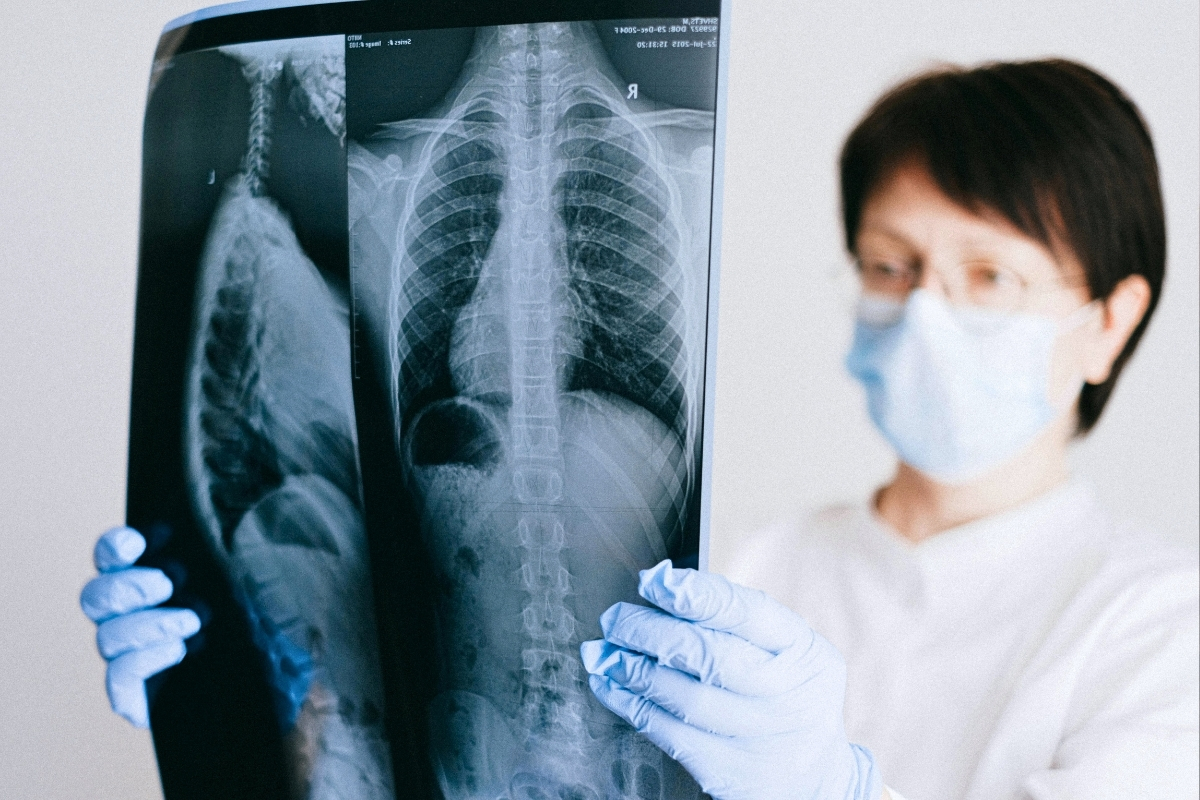
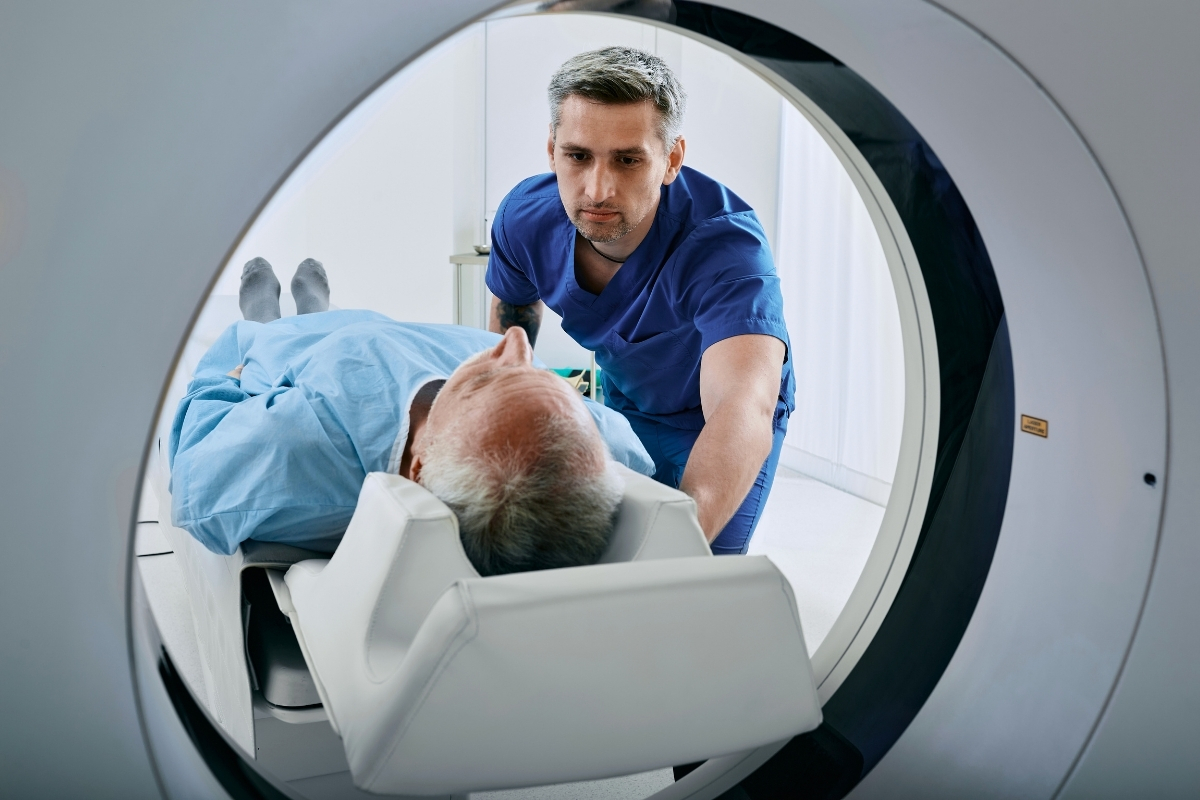
Low-dose computed tomography (LDCT) is a non-invasive imaging scan that produces detailed cross-sectional images of the lungs using a fraction of the radiation associated with standard CT scanning. The scan takes only a few minutes, requires no contrast dye, and involves no needles or preparation. It is specifically designed to detect small pulmonary nodules — abnormal growths in the lung tissue — that are too small to produce symptoms or appear on a standard chest X-ray.
The key word is "low-dose." Standard CT scans deliver a meaningful radiation burden, which makes them unsuitable for routine annual screening in healthy individuals. LDCT reduces that exposure significantly while retaining the resolution needed to identify clinically relevant findings. The U.S. Preventive Services Task Force recommends annual LDCT screening for eligible high-risk adults, based on strong evidence that it reduces lung cancer mortality in that population.

Who Qualifies for Lung Cancer Screening?
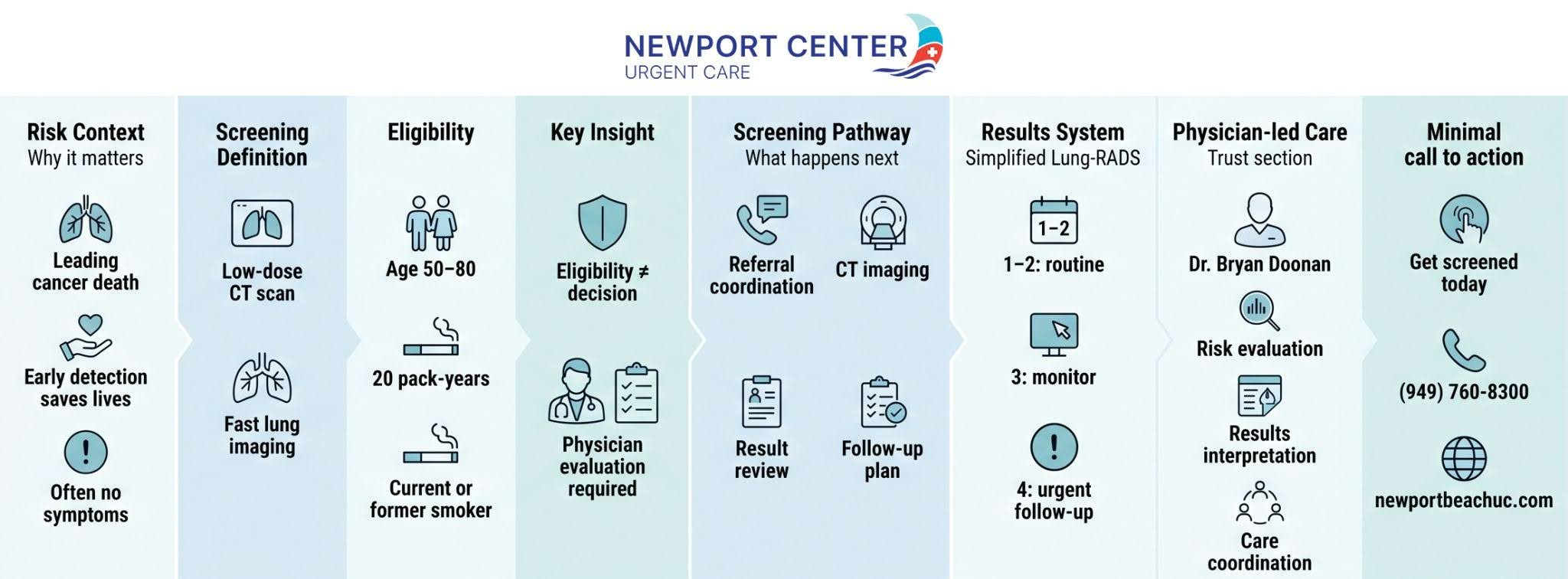
Eligibility for LDCT lung cancer screening is defined by specific clinical criteria. Current USPSTF guidelines recommend annual screening for adults aged 50 to 80 who have a 20 pack-year smoking history and currently smoke or have quit within the past 15 years. A pack-year is calculated by multiplying the number of packs smoked per day by the number of years smoked — so a person who smoked one pack per day for 20 years, or two packs per day for 10 years, meets that threshold.
It's worth noting that eligibility criteria have broadened in recent years. Prior guidelines set the starting age at 55, and many patients who were previously told they didn't qualify may now meet the updated criteria. If you have a significant smoking history and are unsure whether you qualify, a consultation with Dr. Doonan at Newport Center Urgent Care is the most reliable way to get a clear, current answer based on your individual profile.
When You Qualify — But Screening May Not Yet Be the Right Step
Most descriptions of lung cancer screening focus on whether a patient meets the basic eligibility checklist: age 50–80, a 20 pack-year smoking history, and current smoking or quitting within the past 15 years. But real-world screening decisions are not based on eligibility alone. National guidelines emphasize that screening is only appropriate when a patient is also likely to benefit from early detection and is physically able to undergo potential follow-up testing and treatment.
Shared Decision-Making Comes First
The USPSTF explicitly recommends that lung cancer screening be offered only after a shared decision-making conversation — where clinicians and patients consider not only risk, but also whether the individual is healthy enough to tolerate downstream diagnostic procedures and potential treatment if something is found. Screening is not purely diagnostic. It is a pathway that can lead to biopsies, PET scans, or surgery, and for some patients, the risks of follow-up procedures may outweigh the benefit of early detection.
Health Status and Comorbidities Matter
For patients with severe comorbidities such as advanced COPD, significant heart disease, or limited life expectancy from other conditions, screening may not be clinically appropriate even when the smoking history criteria are met. CMS Medicare coverage policy similarly requires that patients be fit for and willing to undergo curative lung surgery as part of screening eligibility. The National Cancer Institute also highlights that screening is intended for individuals healthy enough to benefit from early intervention — not simply those who meet smoking history thresholds.
What This Means at Newport Center Urgent Care
Meeting the criteria is the starting point — not the final decision. At Newport Center Urgent Care, Dr. Doonan evaluates your overall health status, functional capacity, and willingness to pursue treatment before recommending annual LDCT screening. That conversation is a required part of responsible screening practice, and it's one we take seriously with every patient.
Understanding Lung-RADS: What Your Results Mean
When you receive a lung cancer screening result, it will typically be reported using the Lung-RADS classification system — a standardized scale that categorizes findings from 1 (negative) to 4 (suspicious) based on nodule characteristics. A Lung-RADS 1 or 2 result means no significant findings or benign-appearing nodules, and annual screening is recommended. A category 3 result indicates a probably benign finding that warrants a 6-month follow-up scan.
A Lung-RADS 4 result — which includes subcategories 4A, 4B, and 4X — indicates findings with varying degrees of suspicion that require more urgent follow-up, additional imaging, or specialist referral. Receiving a category 4 result does not mean you have lung cancer. It means the finding requires further evaluation to determine its clinical significance. At Newport Center Urgent Care, Dr. Doonan reviews your results in full context and explains exactly what your Lung-RADS category means for your next steps — in plain language, not radiology shorthand.
What Happens After a Finding Is Identified
Most lung cancer screening pages end at the scan. The clinical reality is that the scan is only the beginning of a process that, depending on findings, may involve serial imaging, specialist referral, or further diagnostic workup. The majority of nodules identified on LDCT are benign and require nothing more than routine annual follow-up. But the pathway from finding to resolution requires a physician who understands the full picture — not just a report forwarded to a patient portal.
When Monitoring Is the Right Step
For nodules that fall into lower Lung-RADS categories, structured surveillance is the evidence-based approach. This typically involves repeat LDCT at defined intervals — 3, 6, or 12 months — to assess whether a nodule has changed in size or character. Stability over time is strongly reassuring. At Newport Center Urgent Care, we coordinate that follow-up pathway and ensure nothing falls through the cracks between imaging appointments.
When Specialist Referral Is Needed
Higher-risk findings may require referral to a pulmonologist, thoracic radiologist, or oncologist for further evaluation — including PET imaging, bronchoscopy, or tissue sampling. When a referral is warranted, we provide the complete clinical documentation needed to ensure that transition is efficient and well-informed. The National Cancer Institute outlines the full spectrum of diagnostic pathways that may follow a suspicious LDCT finding, and our role is to help you navigate that process with clarity and continuity.

Why Orange County Patients Choose Us for Screening Coordination
At Newport Center Urgent Care, we don't operate a CT scanner on-site — but we provide something imaging centers cannot: the physician-led clinical layer that makes screening meaningful. We evaluate your eligibility, coordinate your imaging referral, review your results in context, and guide your follow-up — all under the continuity of Dr. Doonan's care. That's the difference between a scan and a screening program.
We are located at 360 San Miguel Drive, Suite 107, Newport Beach, CA 92660, just across from Fashion Island, and we serve patients throughout Orange County including Irvine, Costa Mesa, Laguna Beach, Huntington Beach, and Anaheim. We're open seven days a week, walk-ins are welcome, and same-day appointments are available. We accept most major insurance plans, including Medicare — and under the ACA, LDCT screening is covered at no cost-sharing for eligible patients.
Get Evaluated for Lung Cancer Screening Today
Lung cancer screening saves lives — but only when the right patients are identified, the right imaging is ordered, and the results are acted on by a physician who understands the full clinical picture. At Newport Center Urgent Care, we bring over 20 years of physician-led experience to preventive care in Newport Beach, providing the evaluation, coordination, and follow-up that make screening more than just a scan.
Call us at (949) 760-8300, visit newportbeachuc.com, or walk in to 360 San Miguel Drive, Suite 107, Newport Beach, CA 92660. No referral needed, no long wait, and no uncertainty about what your results mean — just clear, physician-led lung cancer screening support when and where you need it.